

How to choose a rug: How to choose the perfect rug
Understanding Berber Carpets: Craft, Material and Character
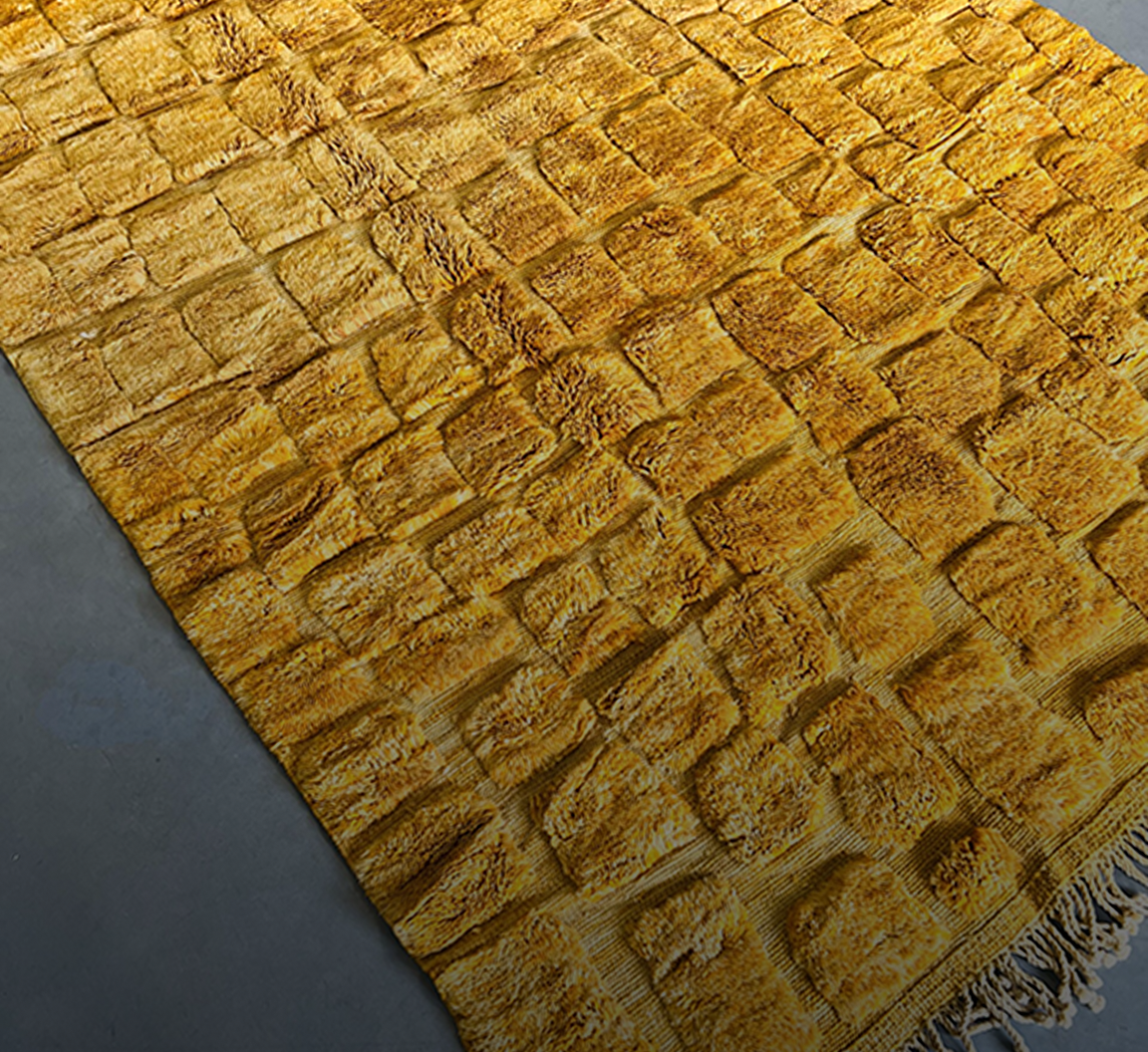
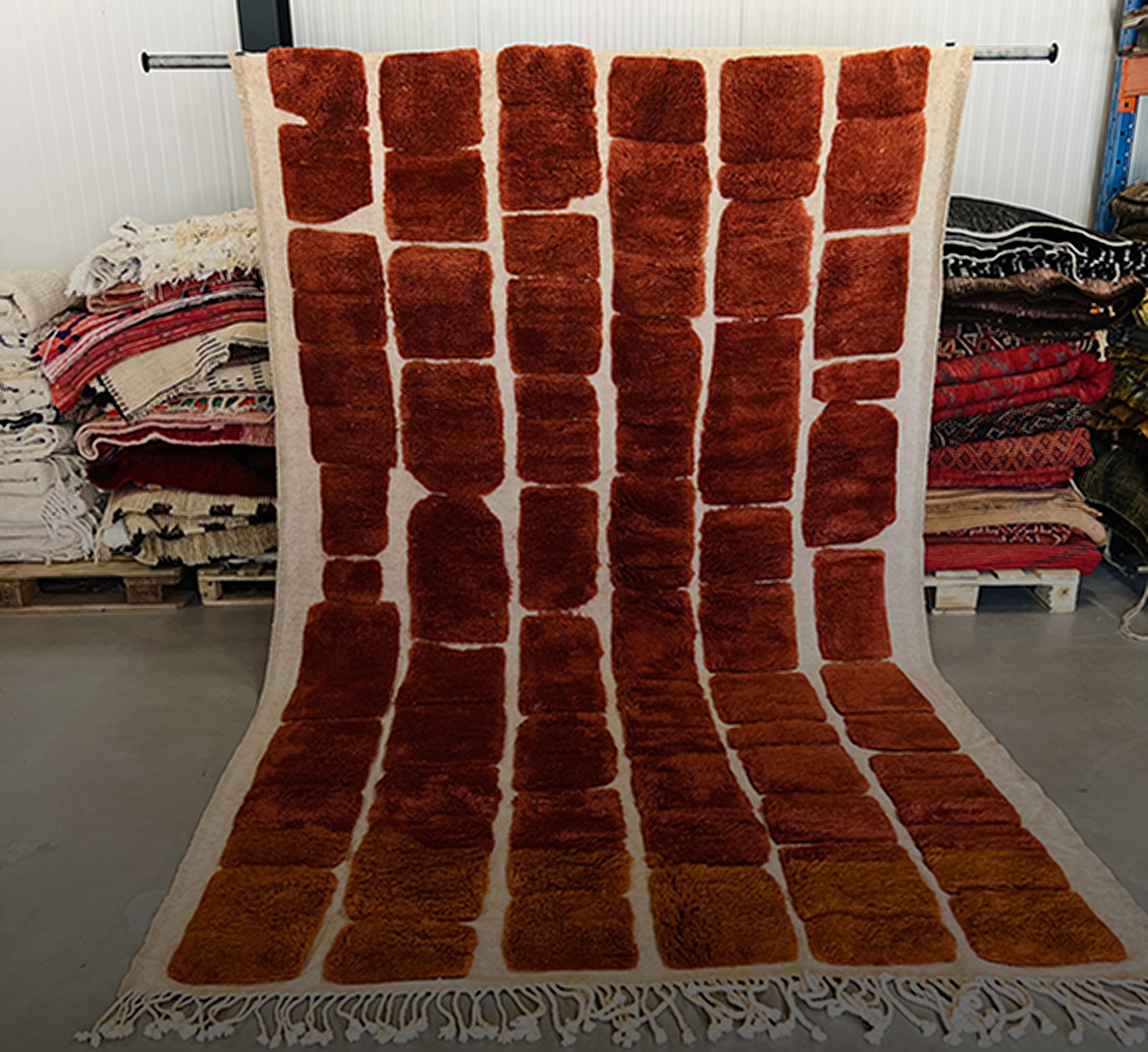
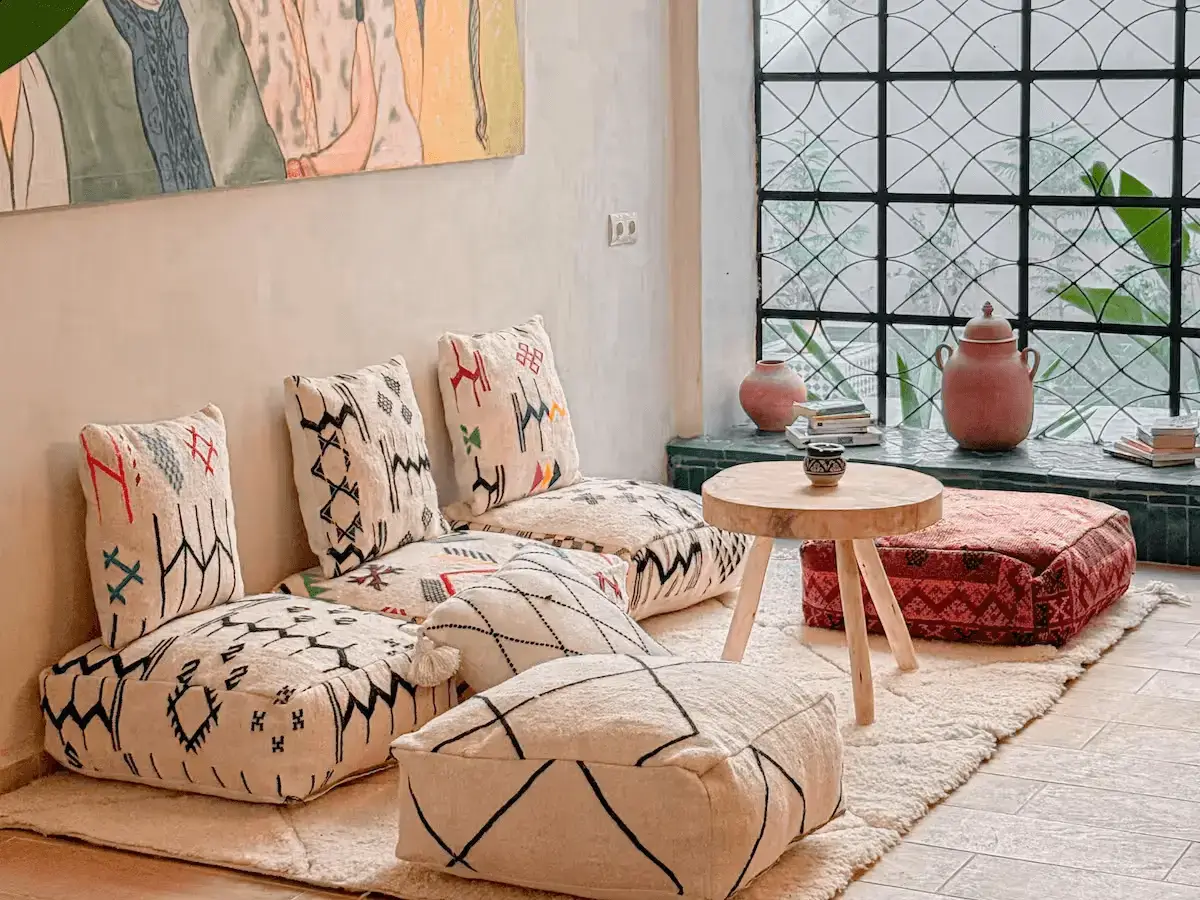
Berber carpets are defined not by uniformity, but by texture. Their distinctive surface — created through hand-knotted or looped wool fibers — gives each piece a sculptural quality that changes with light, use, and time. Traditionally, Berber rugs feature subtle contrasts: natural ivory tones combined with deeper accents, reflecting both material availability and cultural symbolism rather than decorative trends.
While modern markets offer Berber-inspired carpets in countless colors and materials, authentic Berber rugs originate from a craft tradition where every variation is intentional. Density, pile height, and irregularity are part of the language of the rug — not flaws, but expressions of handwork.
The Many Expressions of Berber Carpets
Berber carpets have long been valued for their resilience and versatility. Their tightly woven structure provides natural durability, while the tactile surface adds warmth and depth to interior spaces. Unlike flat, machine-made flooring solutions, a handwoven Berber rug evolves with its environment, softening underfoot and developing character over time.
Because of their looped or knotted construction, Berber rugs require mindful placement. In homes with pets or heavy movement, finer weaves and higher knot density offer greater longevity. When chosen with intention, Berber rugs are not just decorative elements, but functional pieces designed to live alongside daily life.
Wool Berber Rugs: Material Integrity
Wool remains the most traditional and respected material used in Berber weaving. High-quality wool rugs are naturally resilient, insulating, and breathable. Their softness does not come at the expense of strength; instead, wool fibers compress and recover, allowing rugs to maintain structure for decades.
Wool is also naturally hypoallergenic and regulates humidity, contributing to a healthier interior environment. For this reason, wool Berber rugs are often chosen not only for their appearance, but for their long-term comfort and material honesty.
Alternative Fibers and Contemporary Interpretations
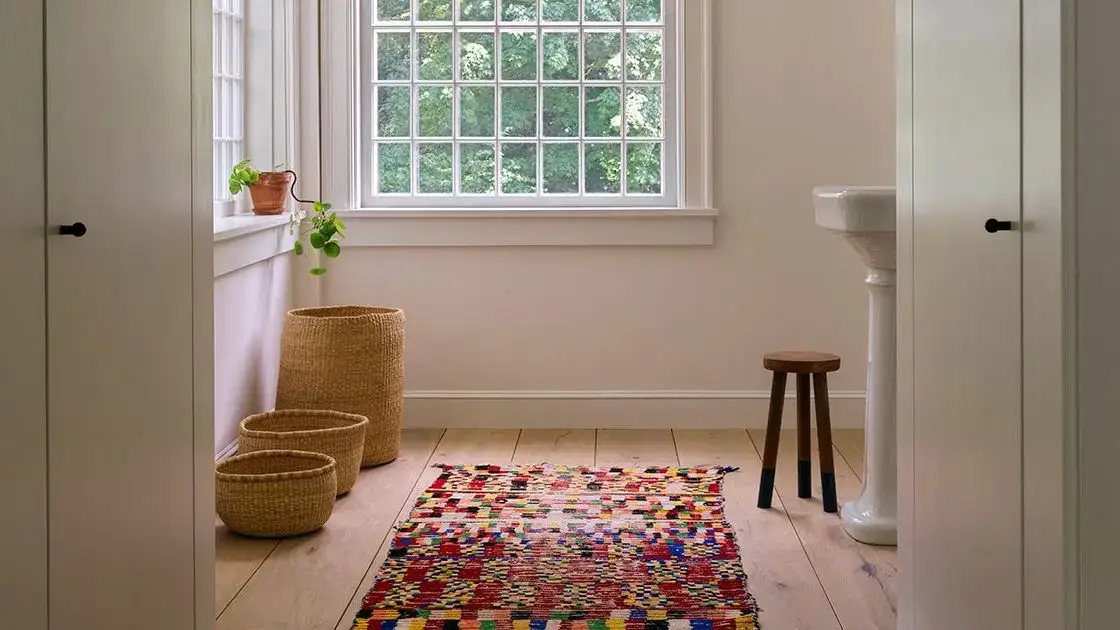
Some contemporary Berber-style rugs incorporate alternative fibers or recycled materials, often resulting in lighter, more casual pieces. Boucherouite rugs, for example, traditionally use mixed textiles to create expressive, vibrant surfaces with strong visual impact.
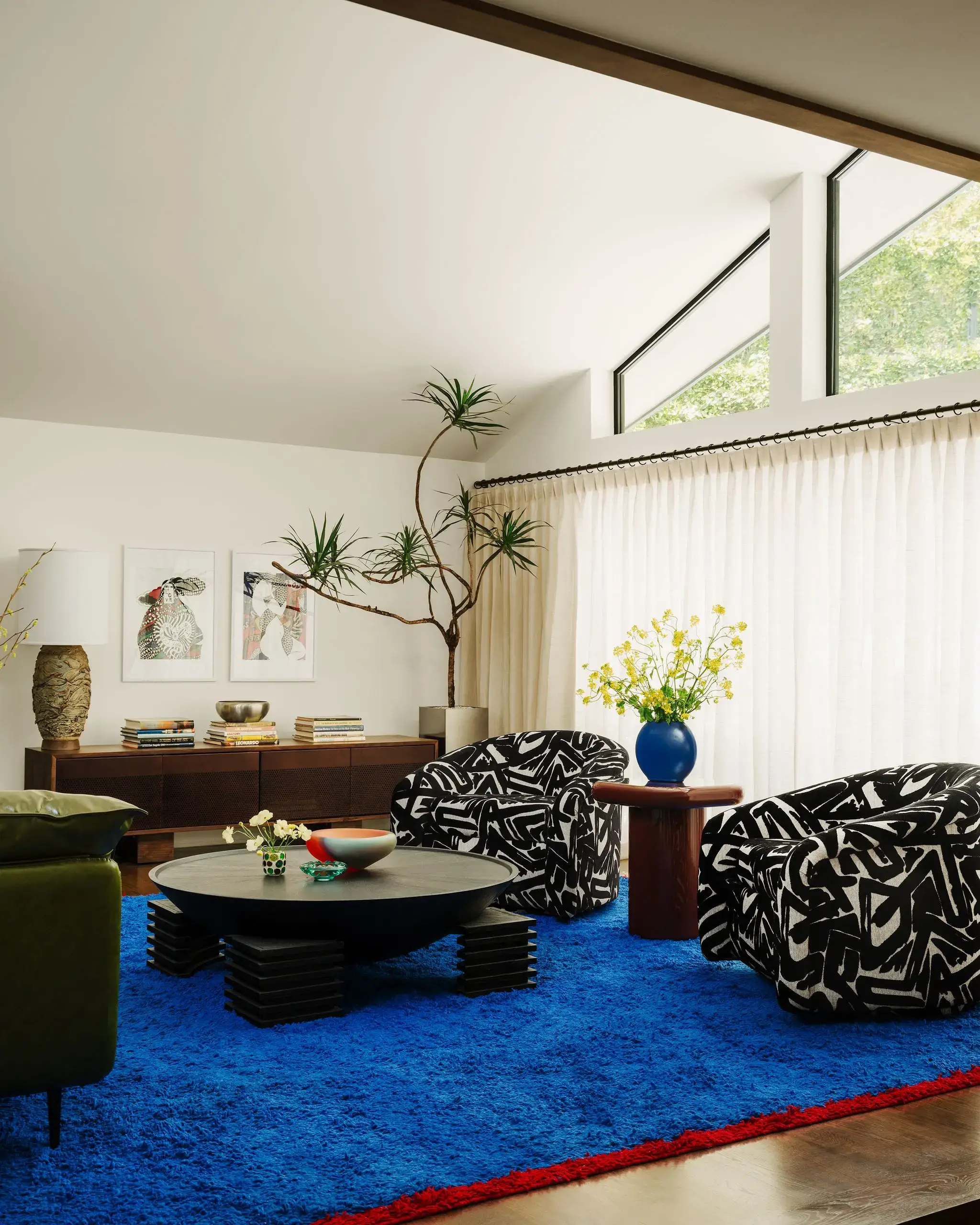
While synthetic fibers such as nylon or olefin are common in industrial flooring, they differ fundamentally from handwoven wool rugs in both feel and longevity. These materials may offer cost advantages, but they lack the natural aging process, depth, and tactile richness that define authentic Berber craftsmanship.
Choosing a Berber Carpet with Intention
A Berber rug is not a trend-driven purchase. It is a long-term addition to a space — one that balances texture, material, and proportion. Whether minimal or expressive, understated or bold, its value lies in craftsmanship rather than price positioning.
At BerberCollection, we approach Berber rugs as functional works of art. Each piece is selected or created with respect for material integrity, weaving tradition, and contemporary living. Rather than volume or repetition, we focus on rugs that feel inevitable in their setting — quiet, confident, and enduring.